About us


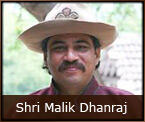
Our family’s roots in Zainabad trace back to the time of Shri Zain Khan, after whom the village is named. This land on the threshold of the Little Rann of Kutch has been our home for generations, shaping our identity and our relationship with this unique landscape.In 1984, Shri Mohammed Shabbir Malik established what is now one of the region’s earliest eco-lodges: Desert Coursers. His intention was straightforward: to offer travellers an opportunity to understand this ecosystem with respect, accuracy, and authenticity.Today, the lodge is run by his son, Shri Dhanraj Malik, assisted by his own son, Armaan Malik, together continuing this long-standing commitment to stewardship.At Desert Coursers, you are not just visiting a lodge, you are being welcomed into an ongoing relationship with the Little Rann of Kutch, guided by a family that has known these horizons for centuries.
Walk this landscape with us.
See the Little Rann through the eyes of those who call it home.
© Desert Coursers 2026.
All rights reserved.
Your home in LRK
At Desert Coursers, our accommodations are simple, comfortable, and rooted in the landscape of the Little Rann of Kutch. Our traditional koobas; heritage mud cottages built to stay cool in the desert heat, offer rustic charm and a quiet retreat after a day outdoors. Each space includes essential amenities and reflects the local style of Zainabad. Surrounded by greenery, and bird-filled skies, our cottages let the landscape do the talking; whether you’re here to unwind or to explore.Inside every room, Lipan art tells a story of craft, memory, and belonging. Created by local women using mud and mirrors, this centuries-old technique brings warmth and character to the space. More than decoration, it is a cultural thread connecting guests to the artisan communities of Kutch. A stay here is shaped by heritage, handcrafted with pride.
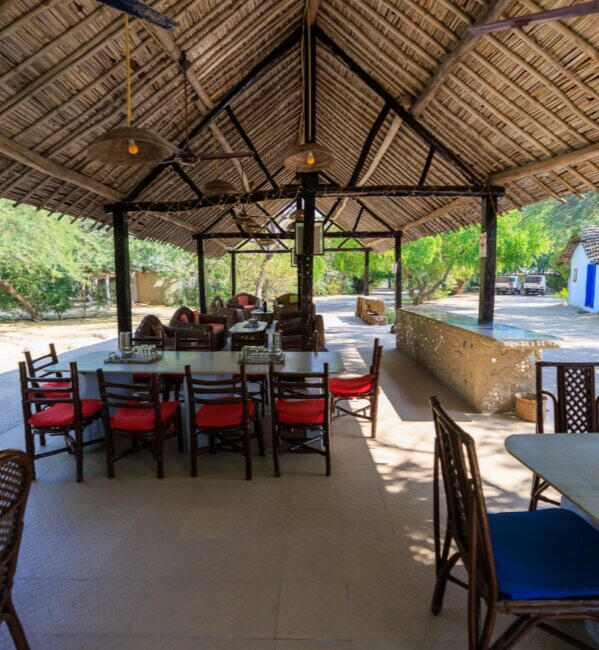
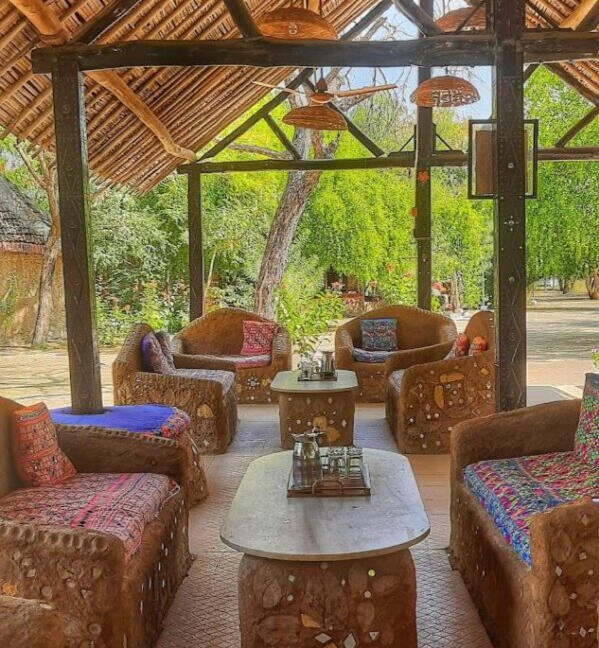
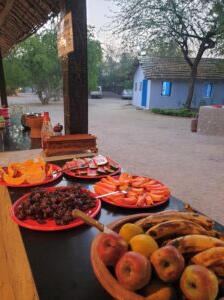
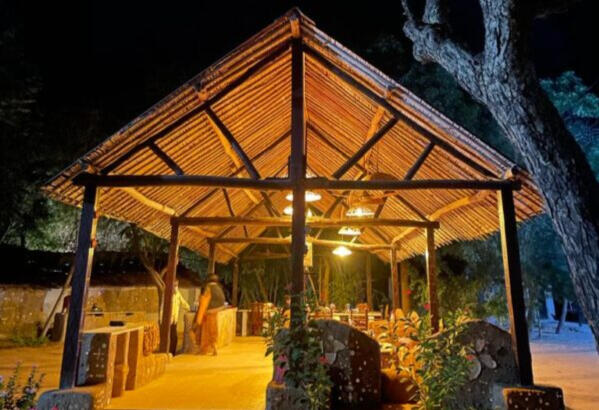
Unwind in the heart of the wilderness at the Eco Lounge at Desert Coursers; a calm, sustainable space built with natural materials. Relax with a cup of chai, indulge in lavish meals, watch the sky shift through myriad colours, or enjoy the quiet around you. For birding lovers, the lounge offers a natural viewing deck where migratory and resident species often appear right in front of you. Whether sharing stories with fellow travellers or simply sitting in stillness, the Eco Lounge is a peaceful pause in the middle of the Little Rann.
© Desert Coursers 2026.
All rights reserved.
Hyena
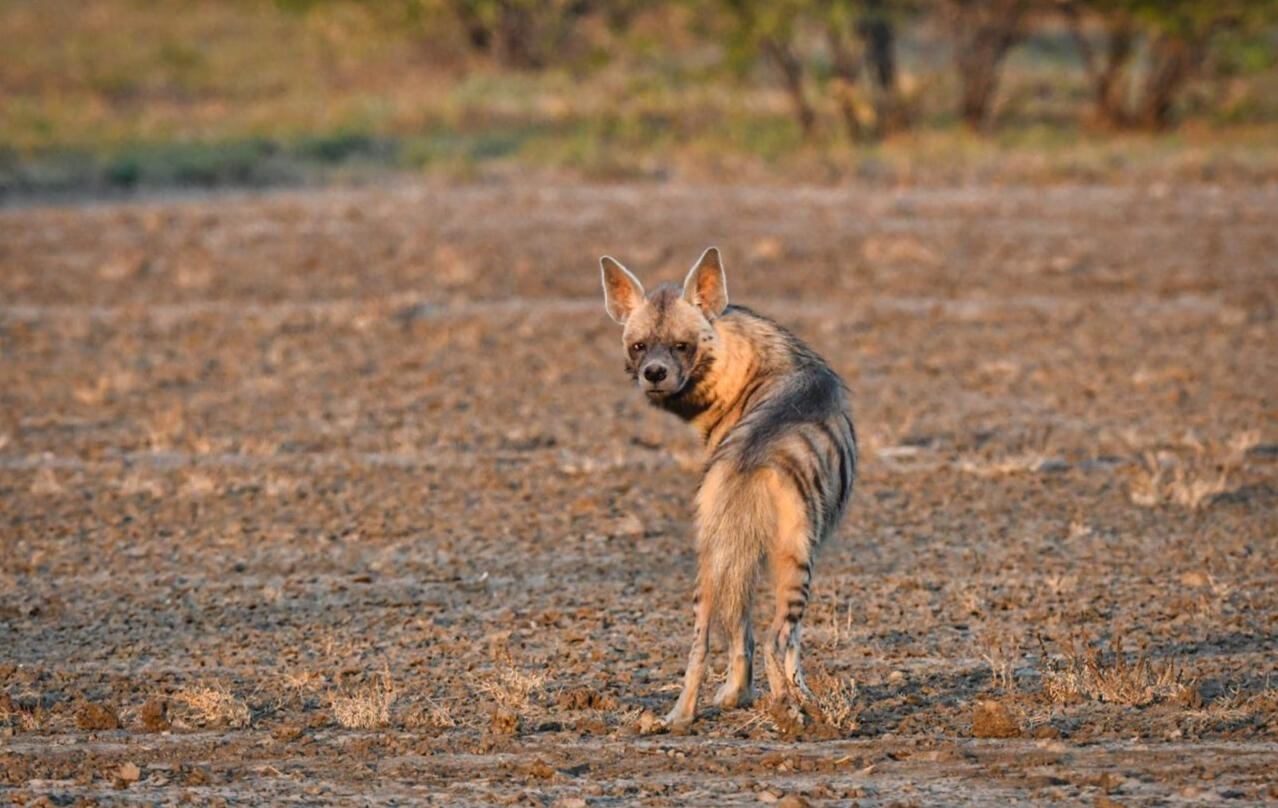
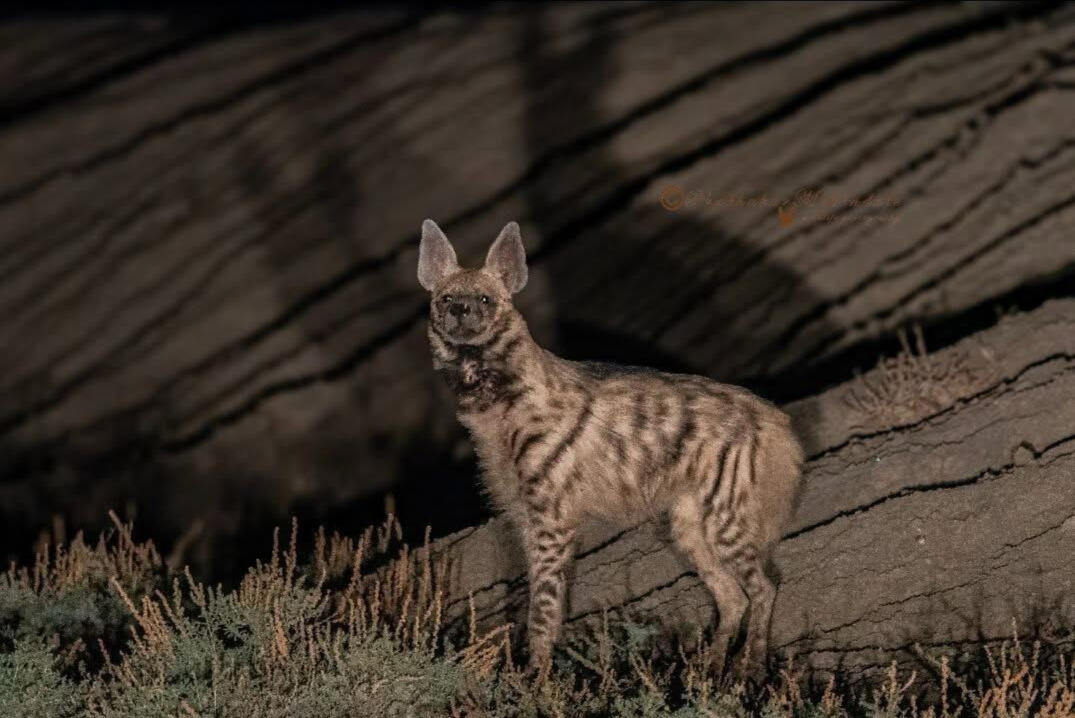
STRIPED HYENA
The striped hyena (Hyaena hyaena), are integral to the Little Rann of Kutch's ecosystem. Known for their distinctive striped coats and nocturnal habits, these scavengers are often unfairly labeled as villains in popular culture. In reality, they are essential for maintaining ecological balance by consuming carrion and preventing the spread of diseases.WHERE TO SPOT HYENAS IN LITTLE RANN OF KUTCH
Striped hyenas in the LRK are most active during the twilight hours. They are elusive and prefer rocky or scrub-covered terrain, where they can find dens and access their primary food sources. Guided safaris in the region offer a chance to observe these fascinating creatures in the wild while learning about their behavior and significance.THE ROLE OF CONSERVATION
LRK is a sanctuary for many species, including hyenas, Indian wild asses, and numerous migratory birds. Conservation efforts in the area aim to protect the fragile ecosystem from threats such as habitat loss and human-wildlife conflict. Supporting eco-tourism, such as staying at places like Desert Coursers, contributes to these conservation efforts while allowing visitors to experience the wonders of this unique region.
© Desert Coursers 2026.
All rights reserved.
Birds
The Little Rann of Kutch is one of western India’s most important landscapes for migratory birds. Each winter, vast flocks travel thousands of kilometres along the Central Asian flyway to reach these seasonal wetlands.Elegant Common Crane and Demoiselle Crane gather in large numbers across the open plains, while wetlands attract flamingos, pelicans, storks, and a wide variety of waders. Raptors patrol the skies, and patient observers may discover ground birds such as coursers, larks, and sandgrouse blending perfectly into the landscape.With its changing seasons of water, salt, and grassland, the Rann offers birdwatchers a constantly shifting spectacle of migration and life.
© Desert Coursers 2026.
All rights reserved.
Wild Ass
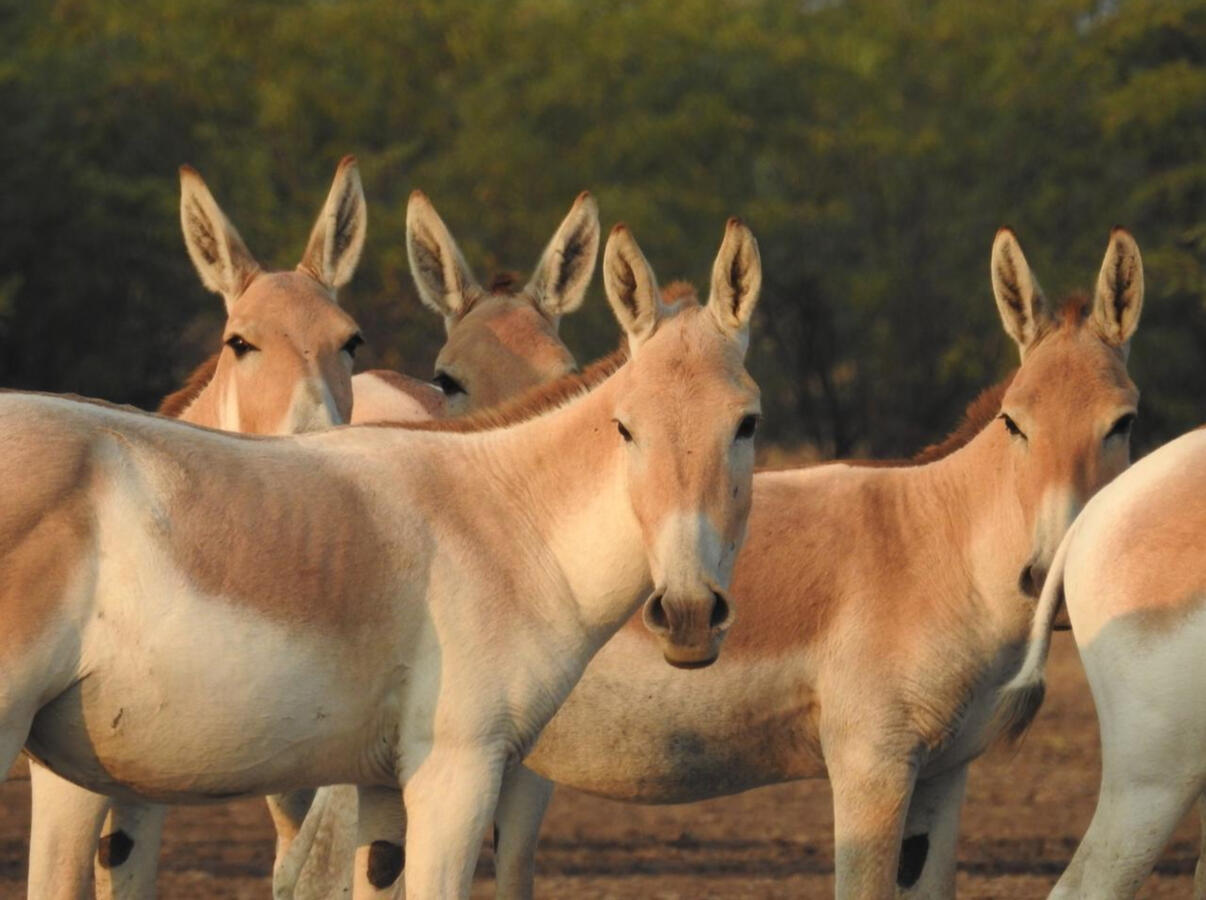
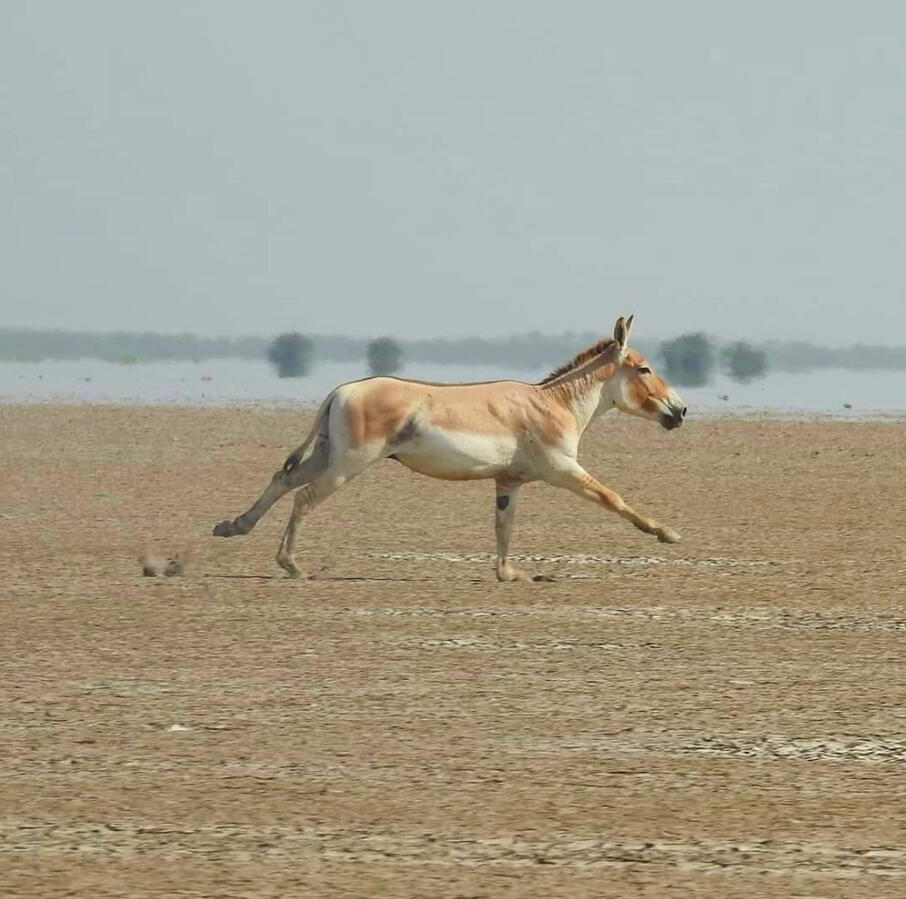
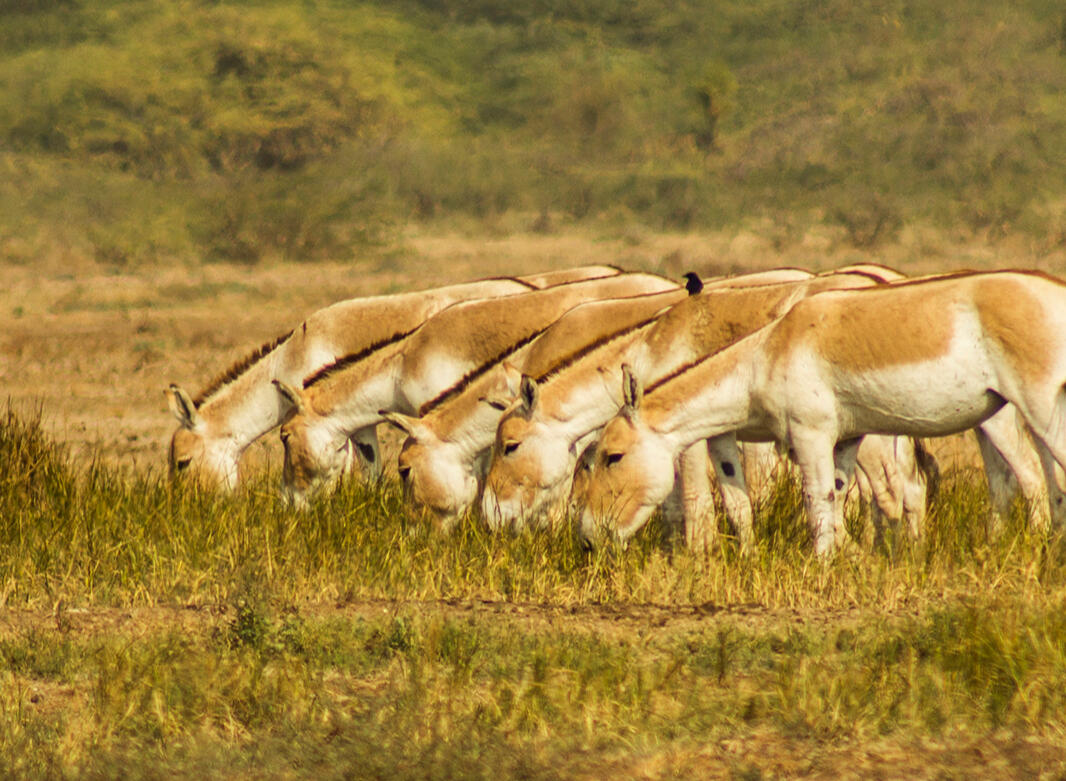
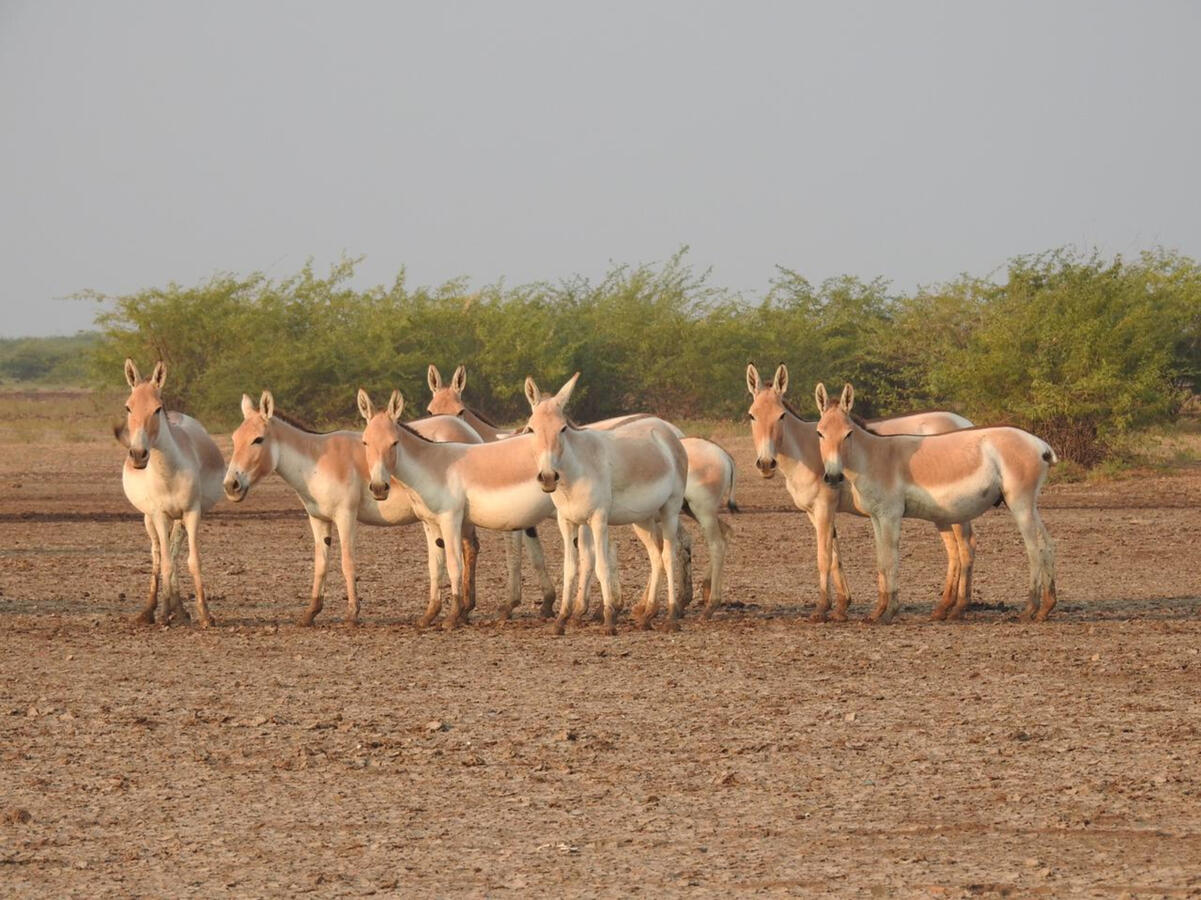
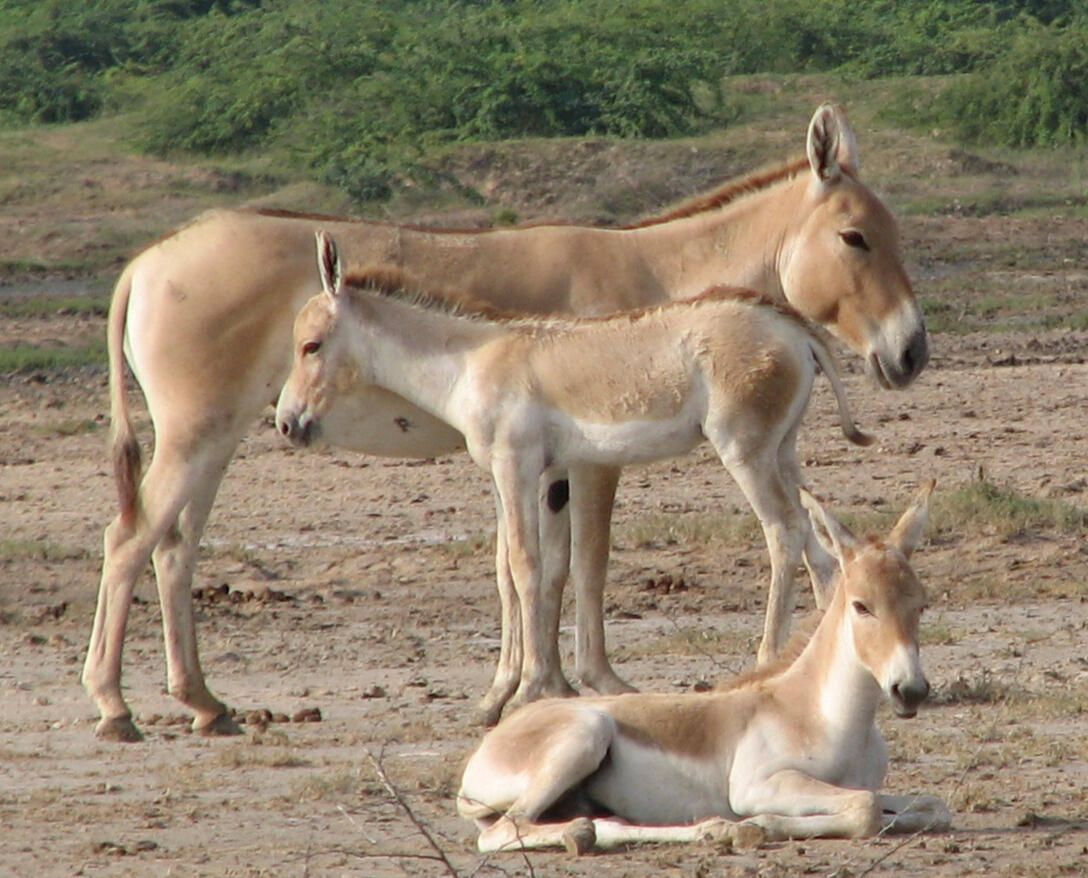
The Asiatic Wild Ass, locally called ‘Ghudkhar’, is an endangered species. It is found almost exclusively in the Little Rann of Kutch, making this area critical for its survival. The Wild Ass Sanctuary, spread over 4,954 square kilometers, was established in 1972 to protect this exceptional animal and its fragile habitat.Distinctive Features and Behavior
The Wild Ass is a striking animal, standing tall at around 4 feet at the shoulder. Its light brown coat with a distinct white belly and black stripe running along the back gives it a unique appearance. Known for its speed, the Wild Ass can run at an impressive pace of 70 km/h, making it one of the fastest mammals in India.Despite their tough and solitary demeanor, Wild Asses are social animals. They are often seen grazing in herds or interacting at waterholes during the dry months. Their diet consists of grass, shrubs, and salty plants, all of which thrive in Little Rann of Kutch's arid environment.The Habitat of Extremes
The Little Rann of Kutch is an otherworldly expanse of cracked earth during the dry season and a shimmering salt marsh when the monsoons arrive. This dynamic habitat supports a diverse range of wildlife, from flamingos and pelicans to desert foxes and hyenas. However, the Wild Ass reigns supreme as the flagship species of this landscape.Conservation Success and Challenges
Once on the brink of extinction, the Indian Wild Ass population has rebounded thanks to conservation efforts. From a meager count of around 360 individuals in the 1960s, the population has risen to over 3000. This success is a testament to the sanctuary’s efforts, though challenges remain. Habitat degradation, salt extraction, and human-wildlife conflicts continue to pose threats to these animals.
© Desert Coursers 2026.
All rights reserved.
Pallid Scops Owl
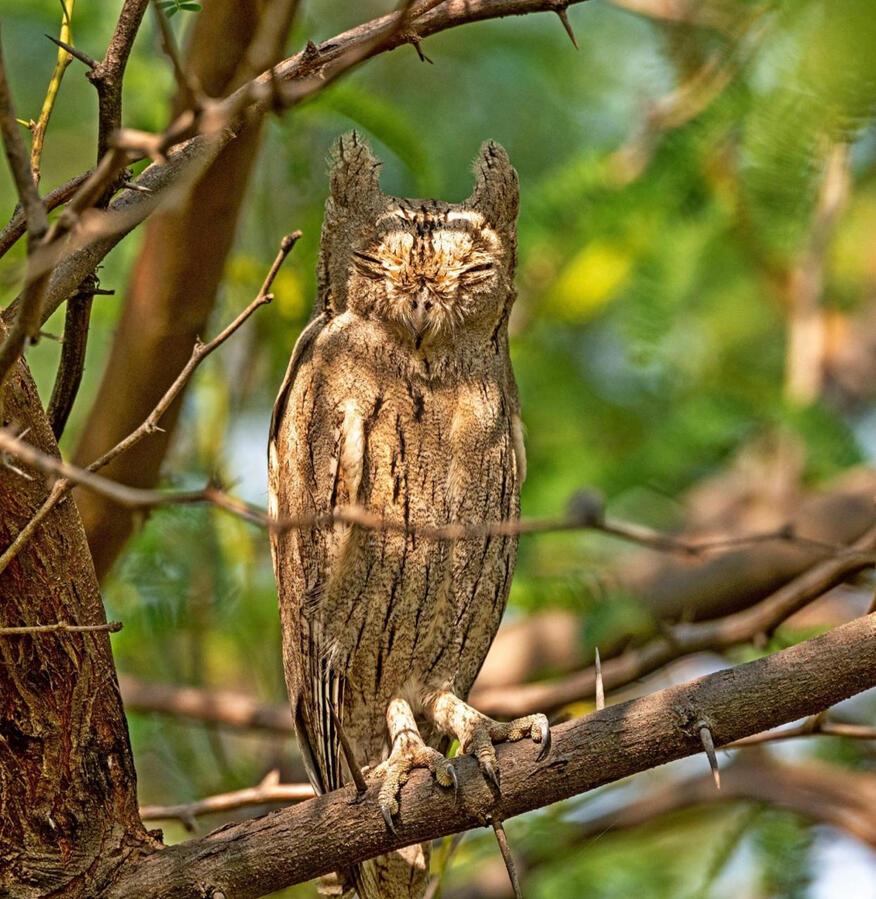
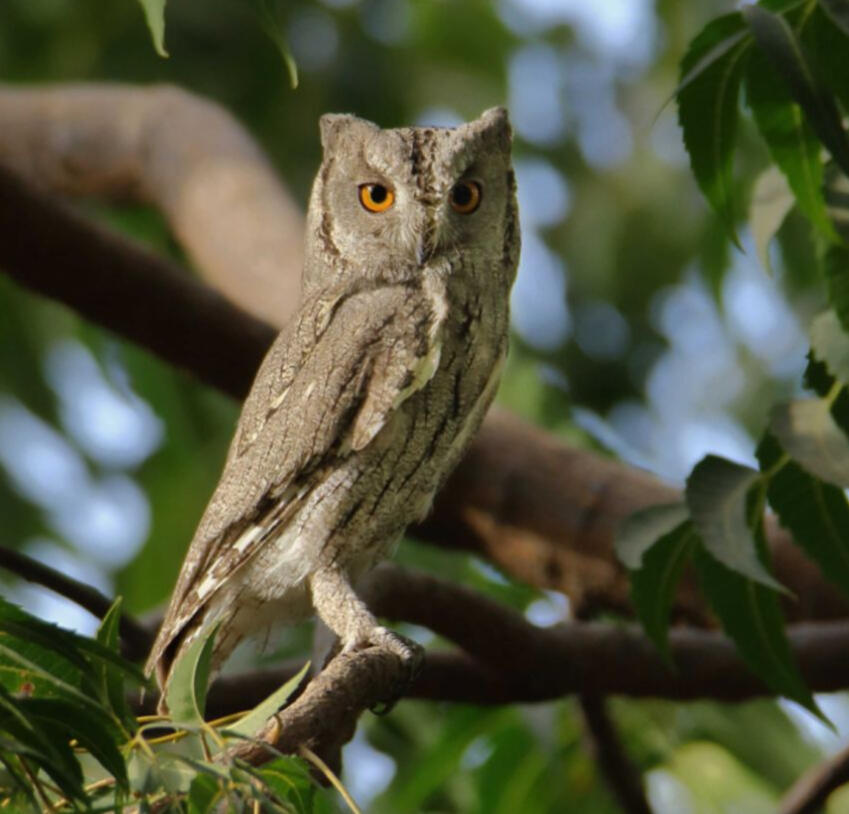
The Pallid Scops Owl (Otus brucei) is a small, elusive owl species known for its strikingly pale plumage, which provides perfect camouflage against the arid, sandy environment of the Rann. Unlike its more conspicuous relatives, this owl is a master of stealth, often blending seamlessly into tree bark or rocky crevices. Found across arid and semi-arid regions from North Africa to Central Asia, the species has made the dry scrublands of Gujarat its home, thriving in the tranquil wilderness that Desert Coursers so beautifully preserves. For birdwatchers, spotting the Pallid Scops Owl is a thrilling yet challenging endeavour, and at Desert Coursers, this is almost a guaranteed sighting.
© Desert Coursers 2026.
All rights reserved.
Foxes & Fox Pups
FOX PUPS
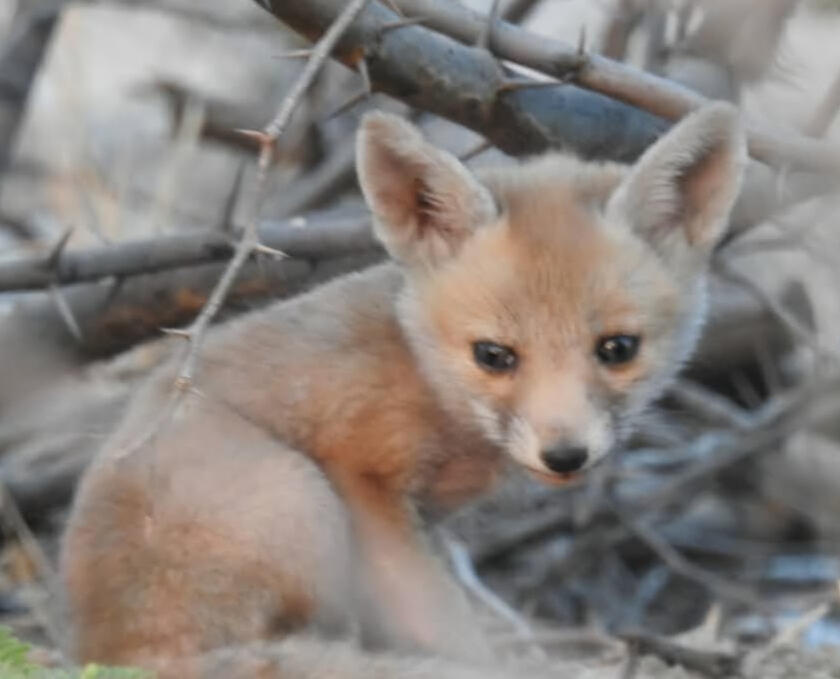
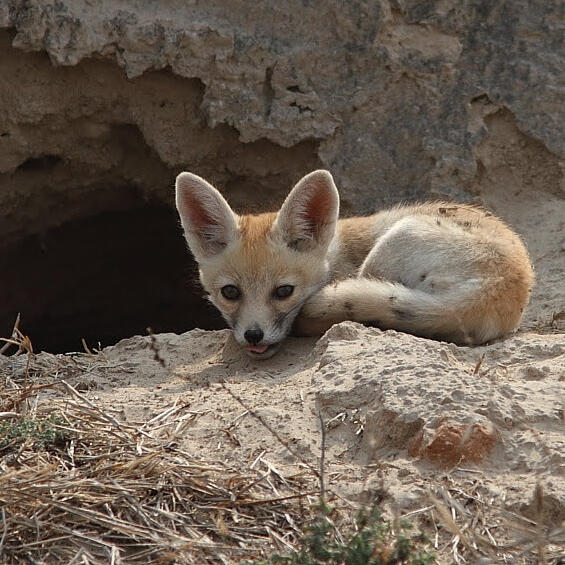
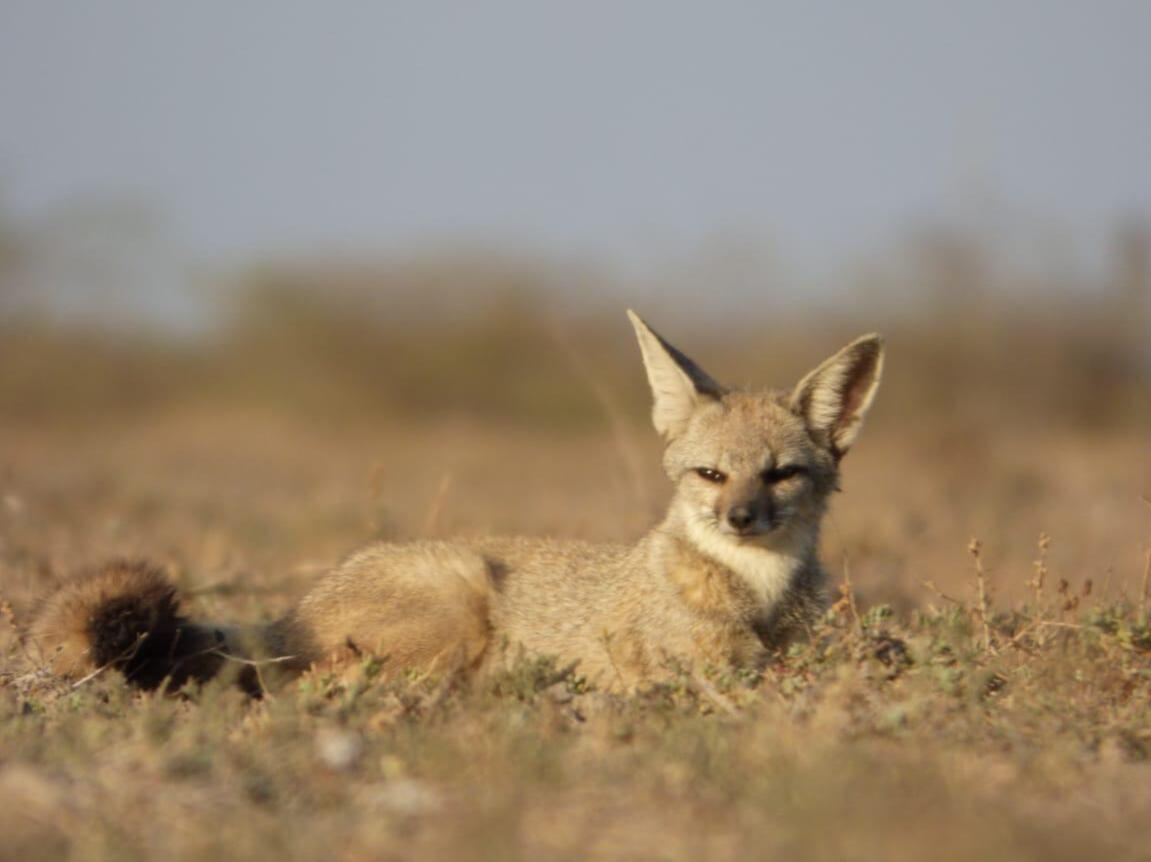
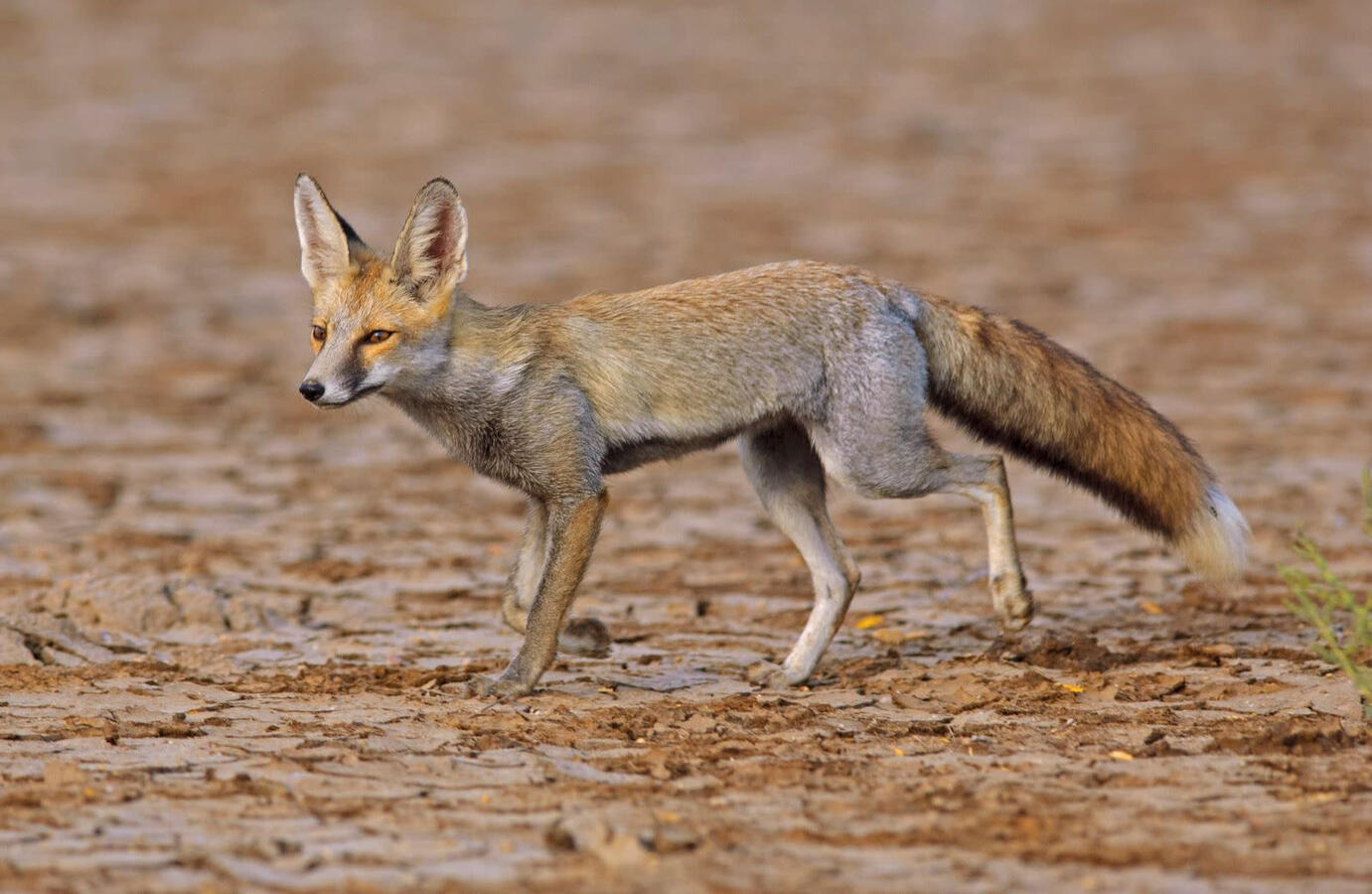
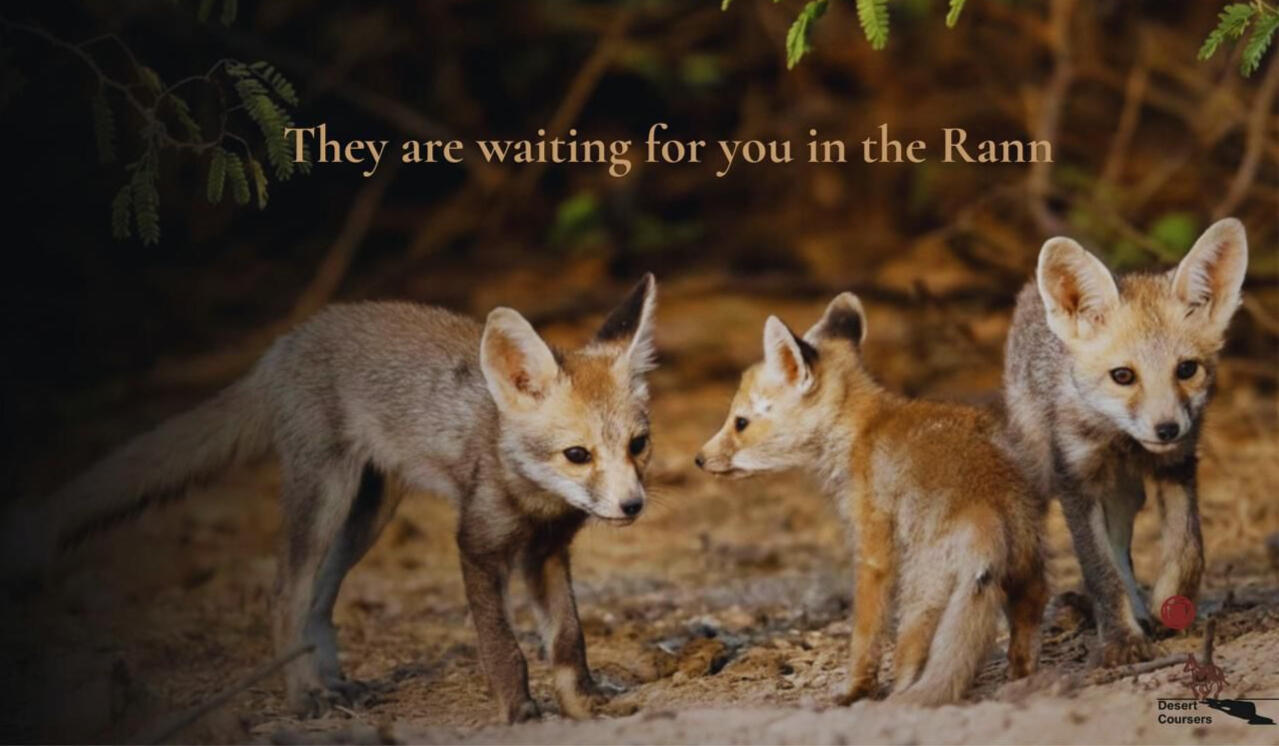
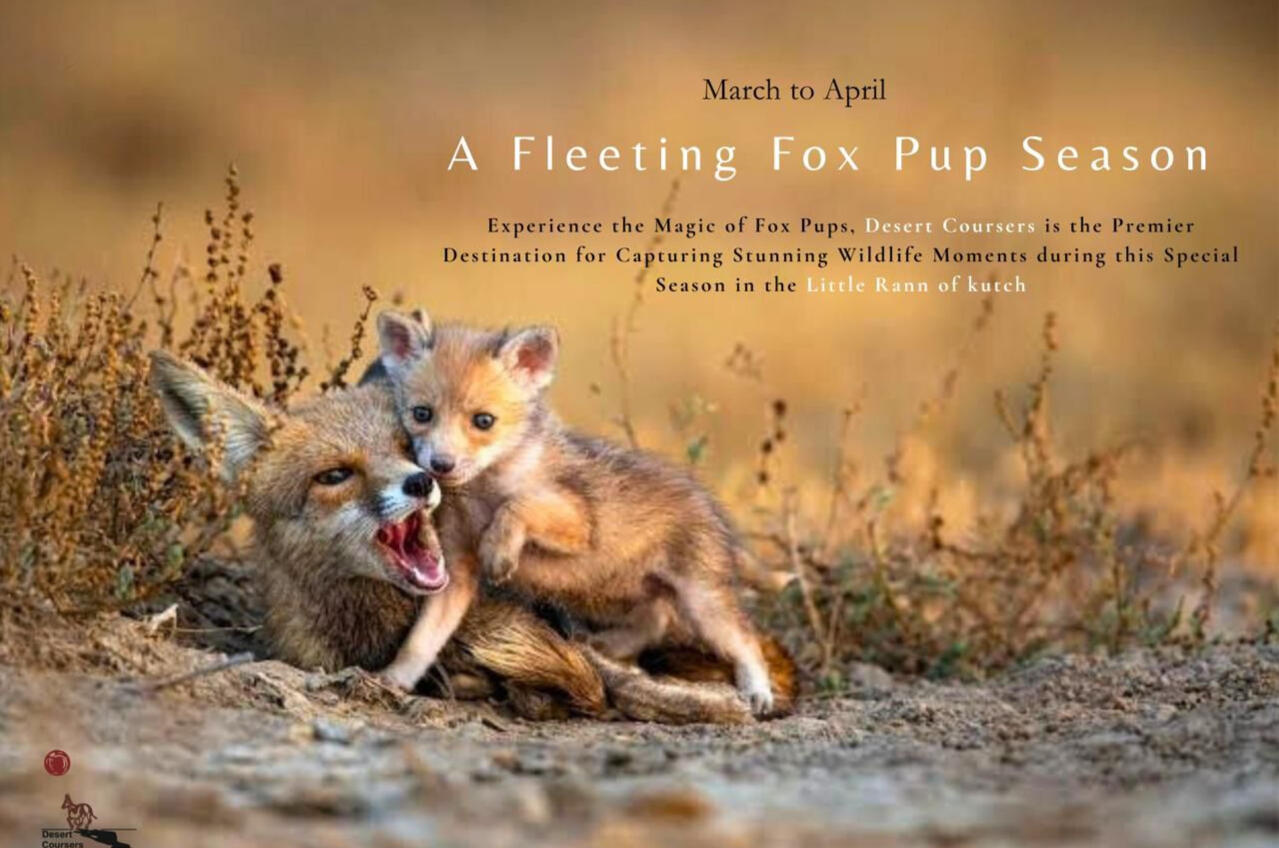
In the sprawling vastness of the Little Rann of Kutch a remarkable wildlife spectacle unfolds as the day begins and ends – the emergence of desert fox pups. These captivating creatures, with their oversized ears and playful demeanour, have become a highlight for wildlife enthusiasts visiting this unique ecosystem in the months of February and March. Let’s explore the fascinating world of these desert-dwelling foxes, from their specialized habitat to conservation efforts ensuring their survival.THE DESERT FOX HABITAT: MASTERS OF HARSH ENVIRONMENTS
The Indian desert fox (Vulpes vulpes pusilla), a subspecies of the red fox, has perfectly adapted to the challenging environment of the Little Rann of Kutch. This vast seasonal salt marsh spans approximately 4950 square kilometers and transforms dramatically with the seasons – from a flooded wetland during monsoons to a parched, cracked environment in summer.Desert foxes have carved out their niche in this extreme landscape by establishing dens in slightly elevated areas or “bets” (islands) that remain dry even during seasonal flooding. These dens feature multiple entrances, providing escape routes from predators and respite from the scorching temperatures that can exceed 45°C (113°F) in summer months.
SURVIVAL STRATEGIES: RESILIENCE IN SCARCITY
The desert fox has developed remarkable survival tactics to endure in an ecosystem where resources are scarce and unpredictable:1. Dietary Flexibility
Unlike specialized predators, desert foxes are opportunistic omnivores. Their diet includes small rodents, insects, birds, reptiles, fruits, berries, and even human food waste when available. This adaptability allows them to survive when prey is scarce.2. Water Conservation
Desert foxes have evolved to extract most of their water requirements from their food, reducing their dependence on drinking water – a critical adaptation in a landscape where freshwater sources are limited.3. Nocturnal Lifestyle
To avoid the extreme daytime heat, desert foxes are primarily nocturnal, becoming active during cooler evening and night hours when hunting is more energy-efficient.4. Family Structure
Desert foxes typically live in small family units consisting of a mated pair and their pups. This family structure enhances pup survival rates through cooperative care and hunting.5. Seasonal Breeding
Foxes time their breeding season (typically December to January) to ensure pups are born when food resources are more abundant.
VIEWING THE FOX PUPSBest Time to Visit
February to April is optimal for spotting fox pups. During this period, the young ones, typically 3-5 per litter, begin emerging from their dens to explore and play under parental supervision.Ideal Viewing Hours
Early mornings and early evenings provide the best opportunities, as the pups become more active as temperatures are cool.Safari Options
Jeep safaris are the most common way to explore the region. Local guides familiar with fox territories significantly increase your chances of sightings. Many also offer specialized wildlife photography tours focused on foxes.Viewing Etiquette
- Maintain a respectful distance to avoid disturbing the animals
- Use binoculars or telephoto lenses for close-up views rather than approaching the dens
- Keep noise to a minimum
- Never feed the foxes as this can alter their natural behavior.
© Desert Coursers 2026.
All rights reserved.
Wildlife & Safaris
Venture into the vastness of the Little Rann of Kutch, a remarkable landscape where life has adapted to extremes. Here roams the rare Indian Wild Ass, the last of its kind in India, moving gently across the open flats that stretch endlessly to the horizon.The Rann is also home to an extraordinary gathering of migratory birds. In winter, cranes and raptors arrive from distant regions, transforming the stark desert into a vibrant sanctuary of wildlife, accompanied by the brilliant displays of the resident flamingoes which are present in thousands.Guided by those who know the land best, each safari reveals the quiet resilience of this ecosystem, a rare chance to witness animals thriving in one of India’s most unique wildernesses.
Activities
At Desert Coursers, we offer experiences that bring you closer to the land, wildlife, and culture of Zainabad.Explore the Rann on guided wildlife safaris, or visit nearby villages to meet artisans and learn about traditions that have endured for generations. Whether you're here for adventure or quiet exploration, our activities are designed to help you experience the Little Rann in a genuine and memorable way.
© Desert Coursers 2026.
All rights reserved.
How to get here
We are conveniently located just 100kms from Ahmedabad, Gujarat, which has both an international airport and major train stations. The nearest train station is Viramgam which is well connected from all over India. We look forward to welcoming you to this extraordinary corner of India!
© Desert Coursers 2026.
All rights reserved.
Social welfare
The residents of Zainabad are farmers, salt workers, and craftspeople, and Desert Coursers has always grown in step with this community. A portion of the lodge’s revenue is used for maintenance and modernization, while the majority is reinvested locally; supporting education, cultural preservation, and community welfare. We prioritise sourcing fresh produce and materials from nearby villages to reduce waste and strengthen local livelihoods. Our collaborations include potters, weavers, beadworkers, embroiderers, and other artisans whose skills reflect generations of cultural knowledge.The aim is simple: to keep Desert Coursers rooted in real ecotourism by ensuring that local people benefit directly from every visitor who comes to the Little Rann. One long-term initiative is the vision of a craft town; a dedicated space where artisans can create, display, and sell their work, preserving traditional skills while expanding economic opportunities. Desert Coursers is owned by Mr. Dhanraj Malik, who has been actively involved in community development for many years. His work has included establishing a school after the 2001 Gujarat earthquake and supporting the education of local children.
© Desert Coursers 2026.
All rights reserved.